
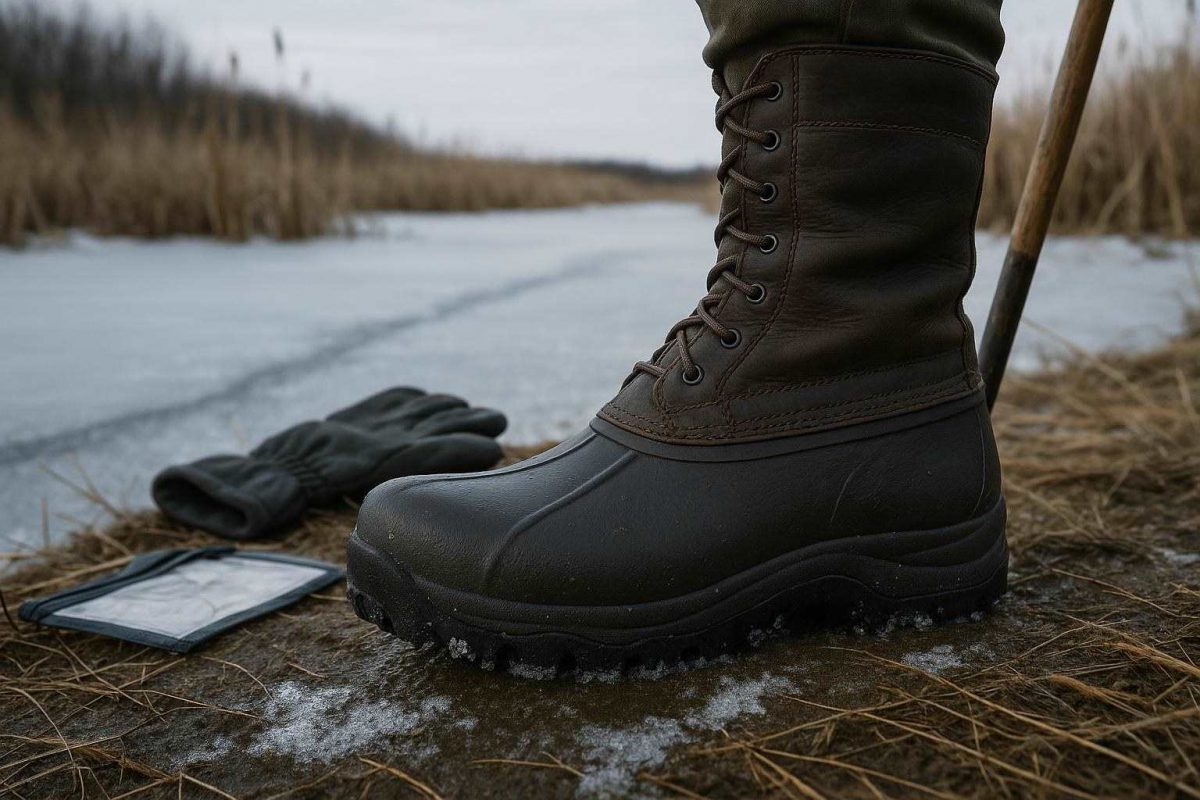
Before You Cross the Frozen Marsh: A Practical Plan for Late-Season Waterfowl Hunts

Preparing for Late Season Waterfowl Hunting: A Comprehensive Guide

As the late season waterfowl hunting comes closer the area changes, showing a mix of ice, slush and open water. Moving through these conditions needs thinking and planning. Before you start it is important to decide your path. If you see ice think about safety first and choose a longer way along the edge or maybe wait until another time. A good plan helps you stay safe and also makes sure you leave the area as it was.

Understanding the Ice: Safety First

Always be careful when you go near water; what looks safe might not be. Things like wind moving water and temperature changes can make the ice weak under snow or a solid layer. Just because a path was safe before doesn't mean it is now.

Before you go look at a map of the place. Find the ground, open water areas and possible ways to get out. When you arrive,. Check the conditions instead of just following someone else. If you need to cross to get to your hunting spot be ready to change your plan.

Tell someone where you are going when you expect to be where your car is. Keep your phone safe from wet and cold. Bring something to call for help if needed. A floatation device could help near water but it won't keep you safe on thin ice. Always think about turning if the conditions are not good.

Check Local Rules Before You Go

Hunting rules can change from season to season or even in the middle of a season. You need to check for late season dates limits on species when you can shoot and any methods that are allowed. A place you know well might have protected areas or closings covered by snow so checking is important.

Look at the official rules for your area and ask the landowner or the person in charge if you need more details. Pay attention to what you need to know about the birds and how to get them when hunting on frozen water. Bring updated papers with you. Don't use information or saved web pages because changes can happen quickly. If a rule is not clear taking time to check is better than getting in trouble or missing a chance to get a bird properly.

Dressing for Comfort in the Cold

When you get ready for season hunts think about more than just the cold. Wet places like bushes and slush can make you uncomfortable fast taking away warmth and focus.

Your clothes should have a layer that takes away moisture a layer that keeps you warm and can be taken off along the way and an outer layer that blocks the wind. If you are going through ground it might be better to carry some warm clothes instead of wearing them all at once. When you are set add warmth before your hands and feet get cold.

Choosing the shoes is also important; they should match what is underfoot not what the season says. Insulated rubber boots can work in wet areas while strong light boots are better for solid paths. Make sure your socks fit well to keep your blood moving and keep shoes dry in your car away from snow and slush.

Planning for Bird Recovery as Part of Good Hunting

A good hunter thinks about everything, including getting the birds that are shot. Before you start think about where a bird might fall and how you will get it. Don't hope for the best; a bird in water can be harder to get especially if the ice is thin.

Keep the tools you need for getting birds close by not inside your bag. A hunting dog can. Also face dangers in cold water and icy places. Know your dogs limits. Make sure it has a safe way out. Never send a dog into a place that you wouldn't go yourself.

If getting the bird is too dangerous, stop and check the situation. Mark where the bird was last use a telescope to see and ask for help if needed. Real good hunting means thinking about how to get the bird before you take a shot not trying to figure it out after.

Leave Little as Possible When You Set Up

Even a frozen area can be delicate. It might look still. Plants still help wildlife. Going over the path can hurt the plants and cause soil to show when it gets warmer making your impact bigger around the places you go to.

Use paths that are already there edges and places meant for walking. Protect the area by carrying your stuff over ground instead of pulling it through soft places. Don't make paths just to save time as this can hurt the environment.

Take all trash with you, including shells and broken equipment. Unless you are told it is okay don't leave signs or flags. When you hunt on land follow all the rules about where to go, where to park and about animals.

Final Check Before You Leave

Before you leave your car think about these questions:

– Do you know the rules for this area today?
– Can you cross every place you need without risking ice?
– Are you ready for wet weather in your clothes?
– Can you get the bird without a big risk to yourself or your dog?
– Can you set up and leave without hurting the wetland?

If any answer is no it doesn't have to stop the hunt. Should make you change your plan. Maybe change your way shorten the trip wait for weather or go somewhere else. Being ready to change is important when the weather can change faster than the forecast says.

The best way to get ready for the season isn't just about getting to a faraway place but, about staying with the rules making it possible to get the birds and keeping the area safe for other times.
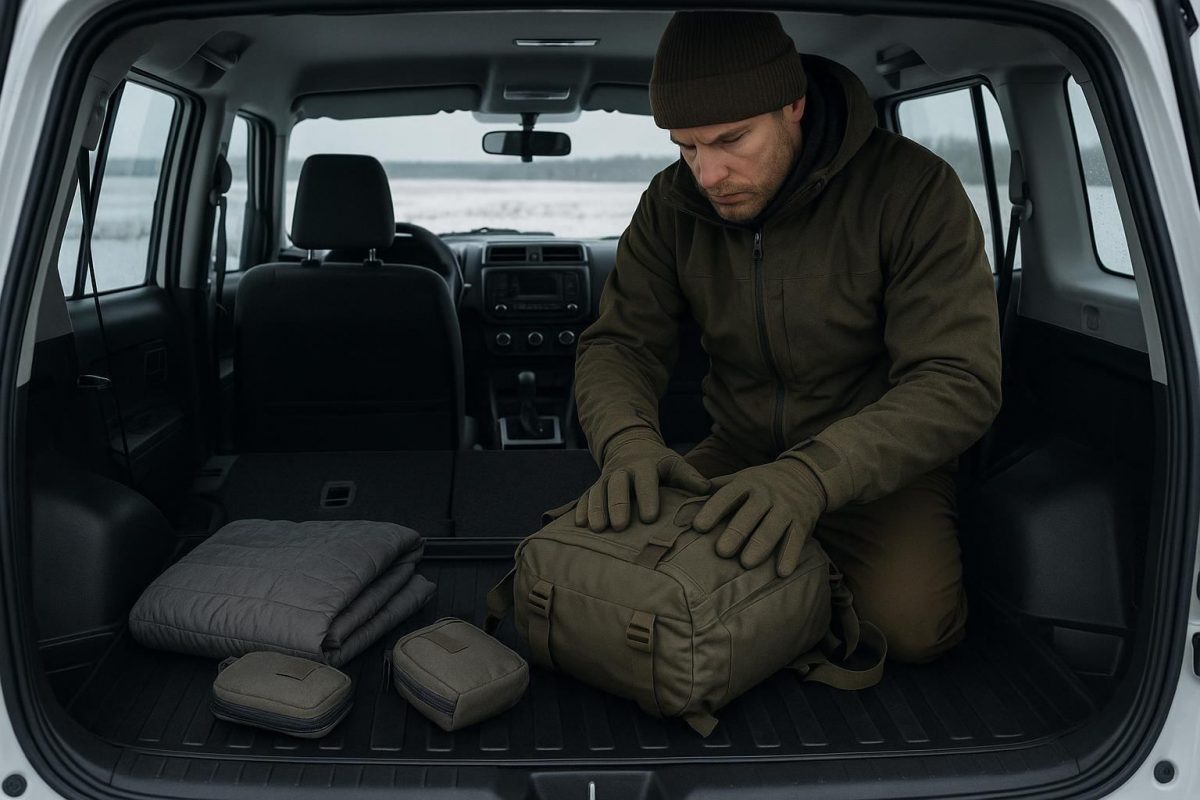
A Practical Gear Audit for a Safer, Lighter Day in the Field: A Practical Planning Framework

Before opening the pack, ask whether every item earns its weight for this outing. Consider a late-season hunt on familiar ground: a short walk from the access point, but possible wind, wet snow and an earlier-than-expected retreat. The useful question is not how much gear a serious hunter carries. It is whether the equipment supports a safe return, responsible shot decisions and care for the land.

The decision starts with the route, not the pack

Begin with the actual day. A route that looks easy on a map may include a creek crossing, slick timber, a steep climb or a long wait for legal shooting light. Review the access point, distance, terrain, forecast and daylight before selecting equipment.

For this late-season outing, that may mean carrying less food than on an overnight trip without skipping insulation or a reliable way to stay dry. It may also mean leaving a bulky accessory behind because the route does not require it. Lightweight hunting gear is useful when it removes unnecessary burden without reducing the safety margin.

Ask: What could make me turn around? What would I need if the return took longer than planned? Which item would be hardest to replace in the field?

Separate must-carry from comfort

Every item should have a clear job. Navigation, communication, weather protection, water, food, basic first aid, light and fire-starting equipment generally belong in the essential group, adjusted for local conditions and personal needs. Comfort items may stay if they improve judgment or help you remain functional, but they should not displace the basics.

Handle each item and finish the sentence, "I carry this because." If the answer is vague, reconsider it. A second knife, extra container or oversized optic accessory may be convenient, but convenience is not necessity. A compact repair item may be worthwhile if a broken strap or damaged boot could end the day or create a safety problem.

Do not reduce weight by removing equipment you cannot safely improvise. A lighter pack is better only when it still supports the route, weather and decisions you may face.

Cold changes how small failures behave

Cold-weather preparation is less about specialized clothing than managing moisture, wind and effort. Start the walk cool enough to avoid sweating, then adjust layers before clothing becomes damp. Wet fabric and a long stationary wait create different risks from a brisk hike, so pack for both parts of the day.

Check zippers, gloves, boot condition, batteries and water before leaving. Cold can make simple tasks difficult: handling a buckle with numb fingers, reading a phone screen or opening food may become frustrating when you are tired. Keep essential items accessible and protect electronics for the conditions rather than assuming a sealed pocket is enough.

Even a short walk can become a careful one in bad weather. A dry insulating layer and dependable light may matter more than another specialized item.

Firearm readiness is a process

Firearm readiness begins before departure and continues through transport, handling, storage and the hunt. Confirm that the firearm suits the lawful opportunity, is in sound condition and is handled according to the manufacturer's guidance. Inspect the action, sling, optics and controls without unauthorized modifications, and keep ammunition separate or secured as required by local rules and safe practice.

At the access point, slow down. Muzzle direction, trigger discipline and awareness of what lies beyond the intended target matter more than speed. Before shooting, identify the target and background, confirm that the shot is lawful and ethical, and be prepared to pass when visibility, range, movement or certainty is poor.

Firearm laws, transport requirements, permitted methods and seasons vary by jurisdiction and can change. Check current guidance from the relevant wildlife agency and follow all applicable regulations. A familiar location is not a substitute for verification.

Let ethics shape what comes along

Ethical hunting affects both gear selection and the decisions you are willing to make. If recovery could require difficult terrain, better light or equipment you did not bring, reconsider the shot before it happens.

Carry enough communication and navigation support to avoid rushing a recovery. Know your limits in cold, fatigue and poor visibility. If conditions make a clean, confident decision unlikely, passing is responsible-not a failed hunt.

The same discipline applies to habitat. Pack out wrappers, tape, damaged gear and other waste. Keep vehicles and foot travel within permitted areas, avoid unnecessary disturbance and respect closures, private boundaries and seasonal restrictions. Stewardship is practical field behavior, not an afterthought.

A field safety checklist that earns its place

Use this check at the vehicle or trailhead, adapting it to the location and regulations:

– Route, weather, daylight and expected return time reviewed.
– Emergency contact knows the general plan and when to expect an update.
– Layers, footwear, water, food, light, navigation and communication checked.
– First aid and simple repair supplies accessible, not buried under optional gear.
– Firearm condition, transport and ammunition handling confirmed safely and lawfully.
– License, tags, permits and season details verified against current official guidance.
– Target identification, backstop, recovery plan and personal limits considered.
– Waste packed out, access rules understood and habitat disturbance minimized.

A checklist reduces omissions but does not replace judgment. If the forecast changes or the route becomes more demanding, repeat the audit instead of treating the original plan as fixed.

Audit the day before repeating it

After returning, review the outing while it is fresh. Which item prevented a problem? Which went unused? Did gloves become wet, did navigation remain usable, and did any part of the route reveal a preparation gap? Write down the answers.

Before the next outing, check for changes in access notices, landowner permissions, wildlife regulations, fire restrictions, disease guidance or seasonal closures. Current official sources should settle legal questions.

The goal is not the smallest possible pack. It is a deliberate one: light enough to move well, complete enough to handle ordinary setbacks, and organized around safe, lawful and ethical decisions in the field.